
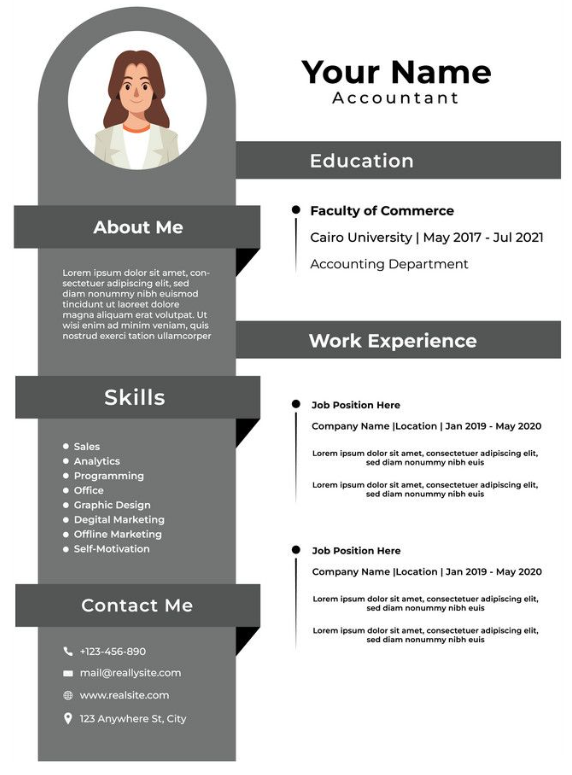
Your resume is the first thing recruiters see. A well-structured, ATS-friendly resume can significantly increase your chances of getting shortlisted.
What to Include in Your Resume
1. Contact Information
Full Name
Phone Number
Professional Email Address
LinkedIn Profile
Portfolio or GitHub Link (if applicable)
2. Professional Summary
Write a short 2–3 line summary highlighting your skills, education, and career goals.
Example:
“Motivated Computer Science graduate with strong knowledge of Python, SQL, and Data Analysis. Passionate about solving real-world problems and eager to contribute to a dynamic organization.”
3. Education
Mention your latest qualification first.
Example:
B.Tech in Computer Science, XYZ University (2022–2026)
CGPA: 8.5/10
4. Skills
Include relevant technical and soft skills.
Technical Skills:Python
SQL
Excel
Power BI
Java
Cloud Computing
Soft Skills:
Communication
Teamwork
Problem Solving
Leadership
5. Projects
Showcase practical projects that demonstrate your abilities.
Example:
Job Portal Website
Developed a job listing platform using WordPress and MySQL.
Implemented job search and application features.
Improved user experience with responsive design.
6. Internships and Experience
Include internships, freelance work, volunteer work, or part-time jobs.
7. Certifications
Add certifications from platforms such as:
Google
Microsoft
Coursera
Udemy
LinkedIn Learning
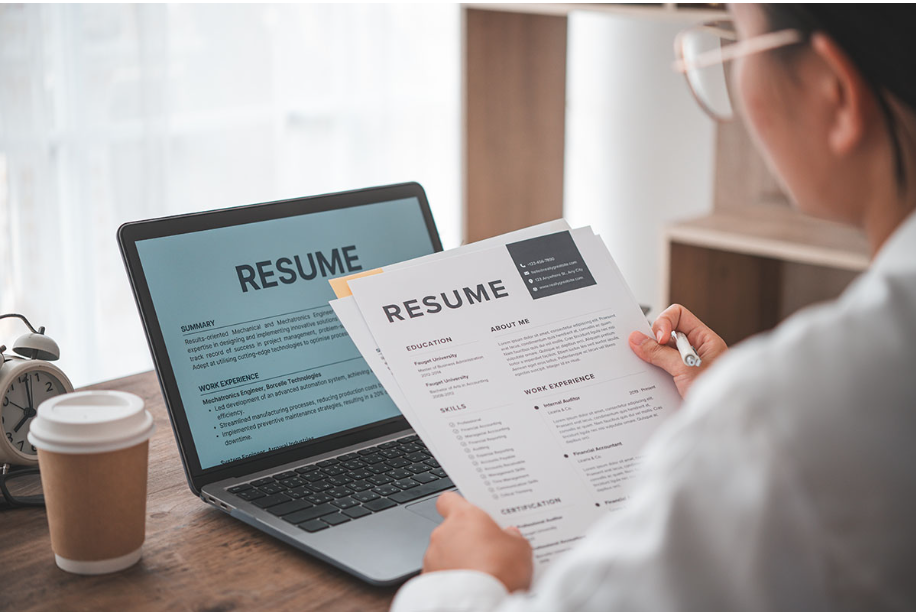
Resume Tips
Keep your resume to 1 page (for freshers).
Use clear headings and bullet points.
Include keywords from the job description.
Avoid spelling and grammar mistakes.
Save and send your resume as a PDF.
Common Resume Mistakes to Avoid
Using an unprofessional email address
Adding unnecessary personal details
Writing long paragraphs
Including irrelevant skills
Submitting a resume without proofreading
A professional resume can be the difference between getting ignored and getting an interview call. Update your resume regularly and tailor it to each job application for the best results.